Built for M&A, Corporate Finance & Private Equity
Acquisition Target Search & Deal Origination Software for UK M&A
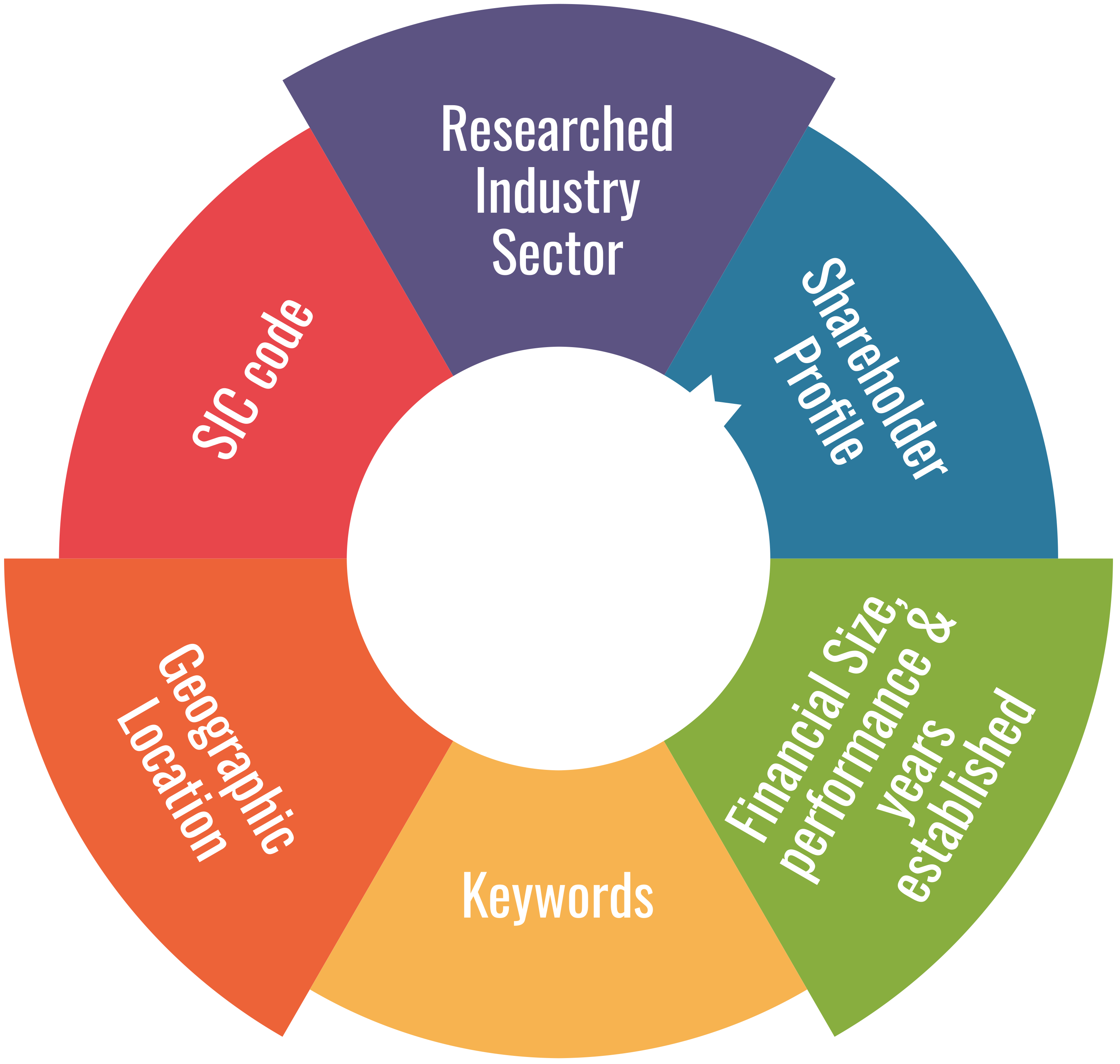
USP Data helps private equity investors, corporate acquirers, M&A advisers and buy-and-build teams identify acquisition targets, analyse markets, research shareholders and build acquisition pipelines using company intelligence covering more than 5 million UK companies.
Combining ownership intelligence, financial data, company monitoring and more than 1,000 researched sector classifications, USP Data helps dealmakers move from an acquisition brief to a qualified target list in minutes.
✓ 5.5 million UK companies
✓ 1,000+ researched sector classifications
✓ Shareholder and ownership intelligence
✓ Integrated CRM and company monitoring
Acquisition Target Search
Find acquisition targets using financial, sector and ownership filters.
Shareholder Intelligence
Identify owner-managed businesses and succession opportunities.
Why USP Data?
USP Data combines company intelligence, shareholder information, financial analysis and researched industry classifications within a single platform designed for acquisition research and deal origination.
Rather than relying solely on SIC codes or generic company lists, users can identify acquisition targets using a combination of sector, financial, geographic and ownership criteria. This allows acquisition teams to create more focused target universes, analyse market structure and prioritise opportunities more effectively.
With coverage of over 5.5 million UK companies and more than 1,000 researched sector classifications, USP Data helps private equity investors, corporate acquirers and M&A advisers move from an acquisition brief to a qualified target list in minutes.
How USP Data Supports Deal Origination
Most acquisition projects begin with a target profile covering sector focus, geography, ownership characteristics and financial criteria.
USP Data enables users to identify relevant companies, analyse markets, benchmark competitors and build acquisition pipelines using more than 5.5 million UK company records and over 1,000 researched sector classifications.
Once target companies have been identified, users can generate comparative analysis reports, export contact information and manage opportunities through the integrated CRM.
Beyond SIC Codes: More Accurate Market Definition
SIC codes provide a useful starting point but often group together businesses operating in very different markets.
USP Data includes more than 1,000 researched sector classifications designed to identify genuinely comparable businesses, niche market participants and acquisition opportunities that may otherwise remain hidden.
Better market definition leads to more accurate acquisition target search, benchmarking and deal origination.
Trusted by Corporate Finance and Acquisition Professionals
“I am very impressed with the level of analysis and love how easy it is to rank companies by turnover, profit and other measures. I am sure that I will have fun looking and comparing the results of our main competitors.”
Managing Director, UK Acquisitive Business
USP Data combines company information, financial analysis, shareholder intelligence and researched sector classifications to help users move from an acquisition brief to a qualified target list more quickly and accurately.
Identify Companies More Likely to Consider a Sale
Shareholder intelligence can help identify businesses entering periods of strategic change. Age profiles, ownership structures, company filings and other indicators may help advisers and investors focus on businesses that are more likely to consider investment, succession planning or acquisition discussions.
Transaction opportunity indicators include:
• Shareholder age profiles
• Retirement-driven ownership structures
• Newly filed accounts
• Recent company filings
• Ownership changes
• Newly incorporated businesses entering target criteria
See How USP Data Identifies Acquisition Opportunities
Key Features
✔ Acquisition target search
✔ Shareholder intelligence
✔ Market mapping and segmentation
✔ Company monitoring
✔ Integrated CRM
✔ Comparative analysis reports
✔ Contact data export
✔ 1,000+ researched industry sectors
Book a demo to see how USP Data can support your next origination project.
Learn more about:
Latest Acquisition Intelligence Articles
Explore acquisition research, deal origination and market mapping strategies from our latest articles.
 How to Turn Company Research into Acquisition Intelligence Access to company information has never been easier. The challenge facing corporate finance advisers, private equity investors and acquisitive businesses is not finding company data but identifying which businesses represent genuine acquisition opportunities. Most company databases can generate lists of businesses. Far fewer help users understand which companies are strategically attractive, which ownership structures may… Continue Reading
 Why Niche Market Identification Creates Better Acquisition Opportunities Many acquisition strategies begin by examining a broad industry sector. Whilst this provides useful context, the most attractive opportunities are often found within specific niche markets rather than across an entire industry. The challenge is not simply identifying companies. It is identifying the right group of companies and understanding the characteristics that make that niche… Continue Reading
 How Company Intelligence Supports Commercial Due Diligence How Company Intelligence Supports Commercial Due Diligence Commercial due diligence is designed to verify whether a business is genuinely as attractive as it appears. Whilst financial statements, management presentations and business plans provide important information, they represent only part of the picture. Effective due diligence requires independent verification of ownership structures, market position, competitive standing… Continue Reading
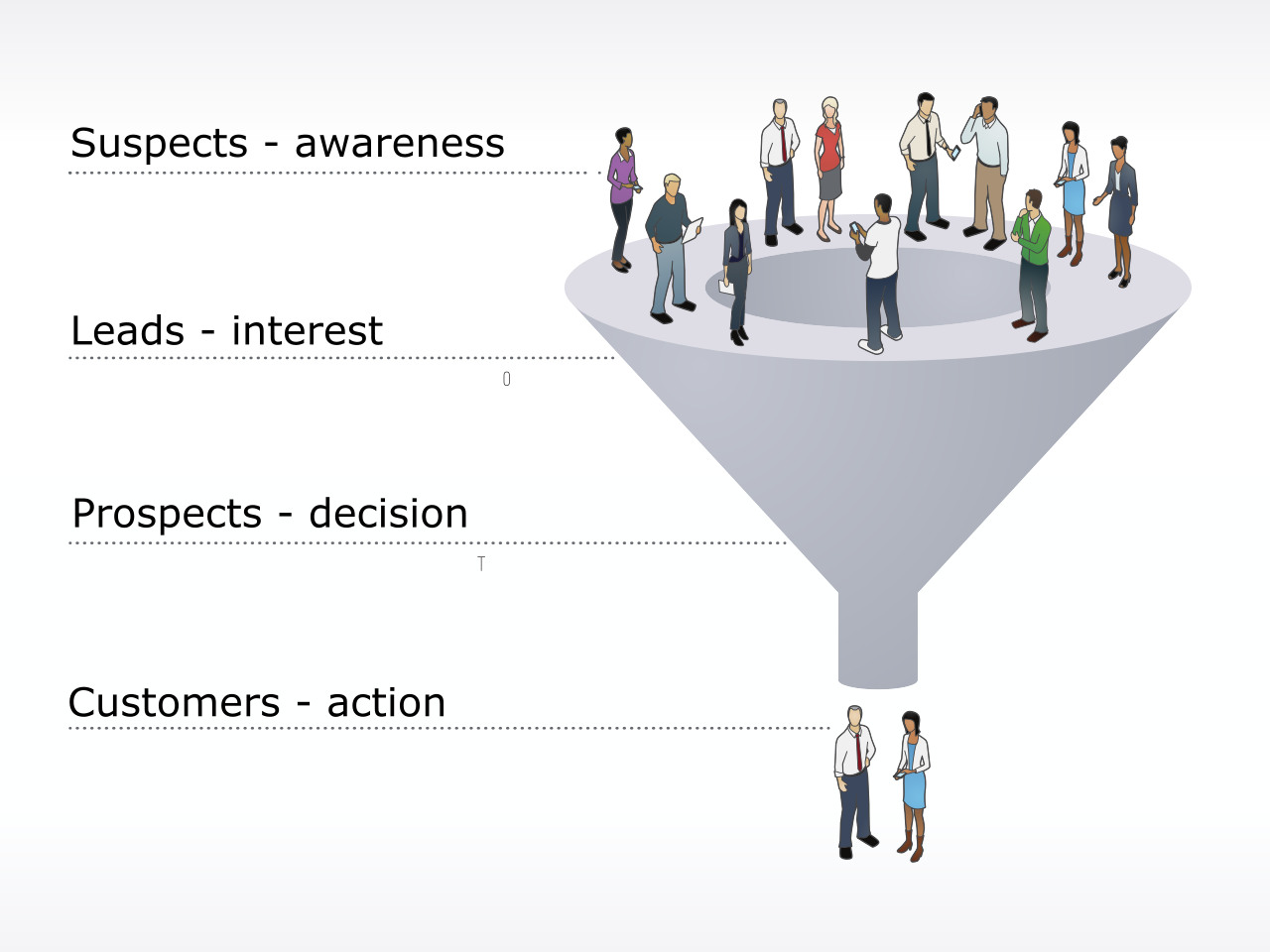 Turning Company Lists Into Acquisition Opportunities Why Identifying the Right Opportunities Matters More Than Building Larger Lists One of the most common mistakes in business development and acquisition research is assuming that more prospects automatically lead to better results. Modern databases can generate thousands of potential companies in minutes, but the challenge is rarely finding businesses. The real challenge is identifying… Continue Reading
 Why Private Company Valuation Is More Than an Earnings Multiple Business owners, investors and acquisition teams frequently ask what a company is worth. Unfortunately, there is no simple formula that can provide a definitive answer. Whilst valuation multiples are widely used in acquisitions and investment transactions, they are only a starting point. The value of a business depends on far more than its historic profits.… Continue Reading
 How to Evaluate SME Acquisition Targets With Limited Financial Information Most acquisition strategies begin by identifying businesses that meet specific financial criteria. However, many SME acquisition targets file abbreviated or simplified accounts that provide only limited information in the public domain. As a result, conventional screening methods based on turnover, profit or other profit and loss measures can exclude a substantial proportion of businesses before… Continue Reading
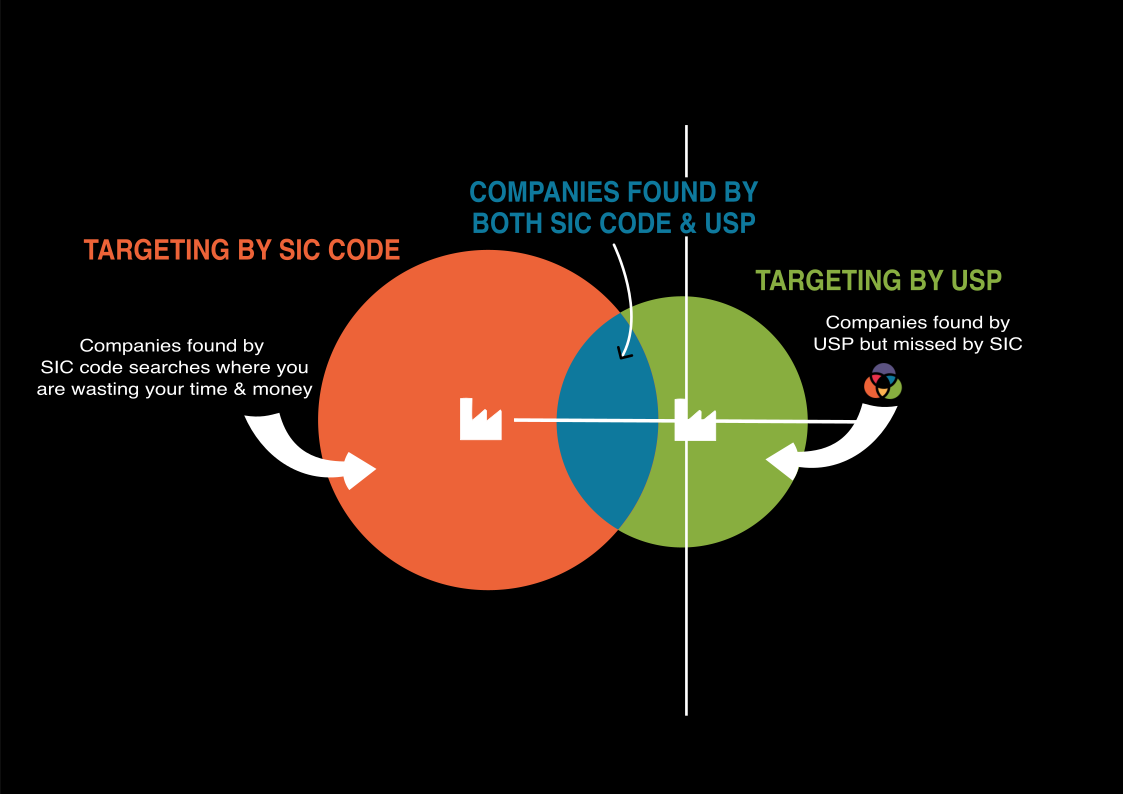 Finding Better Acquisition Targets Than SIC Codes Allow Finding better acquisition targets than SIC codes allow requires a more accurate approach to market definition and acquisition research. However, SIC codes were never designed for acquisition research. Whilst they can provide a useful starting point, they often group together businesses with very different activities and can overlook specialist companies that may represent attractive acquisition… Continue Reading Using Business Segmentation to Identify Better Acquisition Targets Most acquisition programmes begin by defining a target market. However, effective market definition requires more than a simple SIC code search. Businesses can be segmented using multiple criteria including industry activity, geography, size, ownership structure and financial performance. When these data layers are combined, acquisition teams can move beyond broad company lists and build focused… Continue Reading
 From Known Companies to New Opportunities Successful acquisition research rarely begins with a complete understanding of a market. More often, corporate finance advisers, private equity investors and strategic acquirers begin with information they already possess. This may be an existing customer list, known competitors, previous acquisition targets, portfolio companies or businesses identified through industry knowledge. The challenge is not finding information… Continue Reading
 © 2026 Unique Sector Performance Data Ltd.