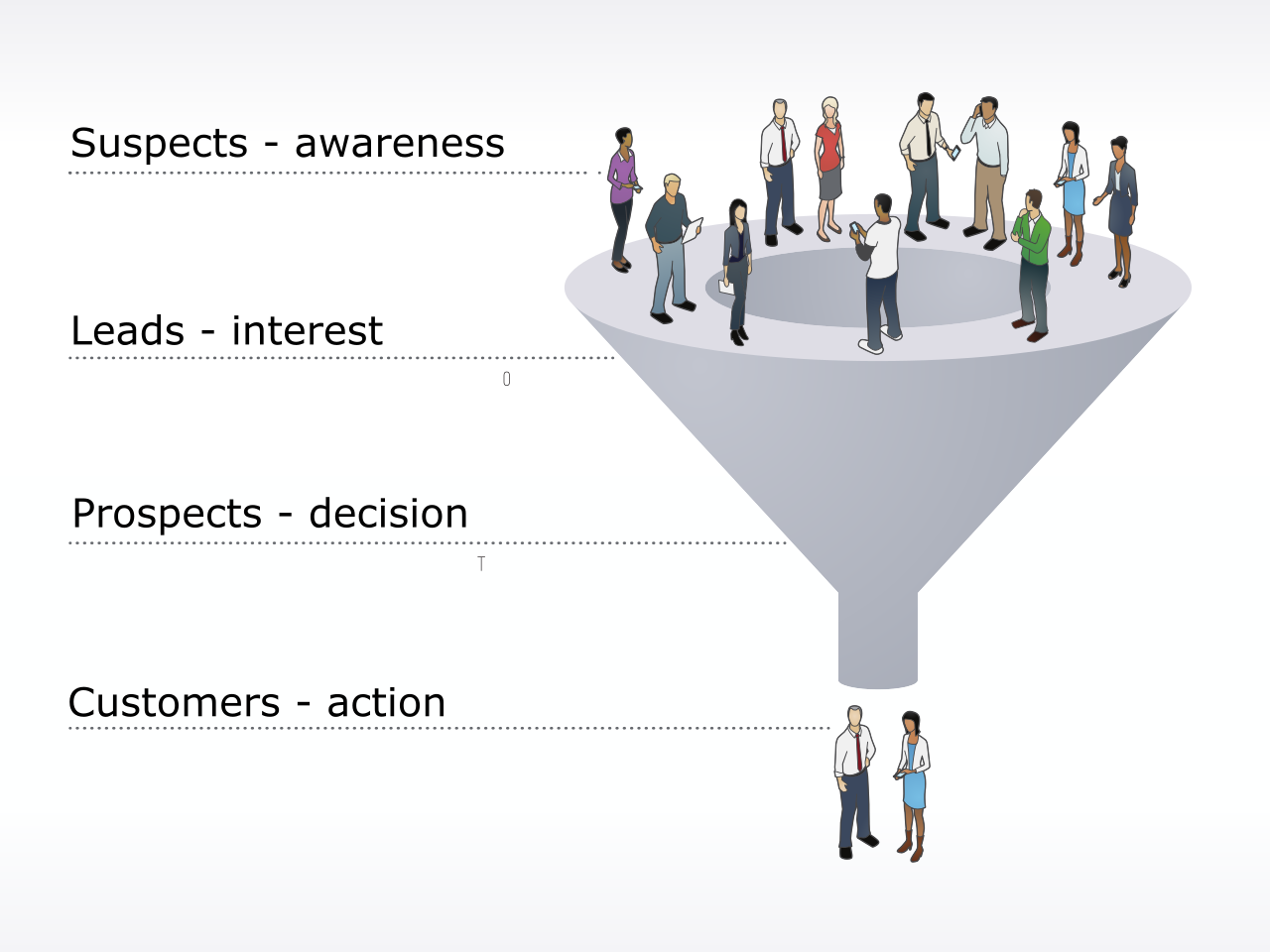
Why Identifying the Right Opportunities Matters More Than Building Larger Lists
One of the most common mistakes in business development and acquisition research is assuming that more prospects automatically lead to better results. Modern databases can generate thousands of potential companies in minutes, but the challenge is rarely finding businesses. The real challenge is identifying which organisations are most likely to become valuable customers, acquisition targets or strategic partners.
Whether the objective is winning new customers, identifying acquisition opportunities or mapping a market, success depends upon prioritising the right opportunities rather than simply building larger lists.
Large Company Populations Do Not Automatically Create Better Results
Broad market searches can generate substantial numbers of companies, but quantity alone does not create value. Without effective screening and prioritisation, significant time and marketing budget can be spent pursuing organisations that ultimately prove unsuitable.
The most effective approach is to identify businesses that share the characteristics of successful existing customers or desirable acquisition targets. Indicators such as profitability, business maturity, growth potential and strategic fit can help focus resources on organisations where the likelihood of success is greatest.
By concentrating effort on the most relevant opportunities first, businesses can improve efficiency and avoid spreading resources too thinly across large, poorly qualified populations.
The Best Opportunities Often Resemble Existing Successes
Most established businesses already possess valuable intelligence in the form of their existing customer base. They understand which customers generate the greatest profitability, remain loyal over time and derive the greatest value from their products or services.
This knowledge can be used to identify similar organisations that may represent attractive opportunities. For business development activities, this often means finding companies that resemble the best existing customers. For acquisition research, it can mean identifying businesses that share characteristics with successful acquisitions, portfolio companies or strategic targets.
Growth can be achieved organically by winning additional trade from similar organisations, through acquisitions that strengthen market position, or by targeting companies that occupy strategically important positions within a supply chain. In each case, understanding what has worked successfully in the past provides a valuable starting point for identifying future opportunities.
Multiple Layers of Intelligence Improve Prioritisation
Effective prioritisation rarely depends upon a single factor. The most valuable opportunities are usually identified by combining multiple sources of intelligence.
Accurate industry classification helps define the market and ensure that genuinely comparable businesses are being evaluated. Financial information helps identify companies of appropriate scale and performance. Ownership intelligence can reveal succession opportunities, whilst geographic information can support regional expansion strategies.
When these data points are combined, researchers gain a much clearer understanding of which organisations merit closer investigation and which can be excluded from the process.
Acquisition Intelligence Is More Valuable Than Company Lists
The most successful acquisition and business development programmes are built around intelligence rather than volume. A smaller population of highly relevant organisations is often significantly more valuable than a much larger list of poorly qualified prospects.
Many successful users begin by applying obvious exclusion criteria such as company size, geographic location, business age or sector relevance. The resulting shortlist can then be reviewed in greater detail using company websites, ownership information and industry intelligence. This process often produces a highly focused population of organisations that genuinely warrant personalised engagement.
With a smaller and better-qualified target population, communications can be tailored to the specific circumstances of each prospect. This personalised approach is far more likely to generate engagement than generic outreach campaigns directed at large volumes of poorly qualified contacts.
Conclusion
Successful acquisition research and business development depend upon identifying the right opportunities rather than pursuing the greatest number of opportunities. By combining business segmentation, financial analysis, ownership intelligence and market intelligence, organisations can focus their efforts on businesses that are most likely to support their growth objectives. The result is a more efficient research process, better use of resources and stronger long-term pipelines of opportunities.
 © 2026 Unique Sector Performance Data Ltd.