
Most acquisition strategies begin by identifying businesses that meet specific financial criteria. However, many SME acquisition targets file abbreviated or simplified accounts that provide only limited information in the public domain. As a result, conventional screening methods based on turnover, profit or other profit and loss measures can exclude a substantial proportion of businesses before they are ever considered.
This challenge is particularly relevant within the owner-managed business sector, where many companies with turnover below £10 million file reduced financial information. The absence of published turnover or profit figures does not mean a business lacks scale, profitability or strategic value, but it does make acquisition research more difficult when relying solely on traditional financial screening methods.
Why Small Company Accounts Create Challenges

UK company law allows many smaller businesses to file reduced financial information at Companies House. Approximately 70% of firms with turnover below £10 million do so. Whilst this simplifies reporting requirements for SMEs, it limits the amount of information available to acquisition researchers and can make it harder to assess business scale using published accounts alone.
Estimated Turnover Can Improve Market Visibility
One of the challenges in acquisition target search is maintaining visibility across the entire market rather than only the subset of companies that publish complete financial information.
Where turnover is unavailable, estimated turnover models can provide a useful indication of business scale by combining sector benchmarks with other available company information. This is where accurate industry classification becomes particularly important. Whilst SIC codes can provide a broad indication of business activity, they are often too general for meaningful benchmarking. Effective benchmarking depends upon comparing genuinely similar businesses, making accurate market definition essential.
USP Data’s researched industry sector classifications have been developed with this objective in mind. By grouping companies according to their actual business activities rather than broad statistical classifications, more reliable industry averages can be established. These averages can then be used alongside employee numbers and other available indicators to estimate the likely scale of businesses that do not disclose turnover.
The value of this approach increases as sector definitions become more focused. For example, the average sales per employee achieved by specialist scaffolding contractors operating in Scotland may differ significantly from those operating in London. A focused industry grouping can therefore provide a more meaningful estimate than a broad SIC code population containing many different types of construction businesses.
Whilst estimated values should never replace detailed due diligence, they can help acquisition teams identify businesses that merit further investigation and ensure that potentially attractive acquisition opportunities are not excluded at the initial screening stage.
Acquisition Research Requires More Than Published Accounts
The objective of acquisition research is not simply to analyse filed accounts. It is to identify attractive businesses.
The most effective acquisition programmes combine financial information, ownership intelligence, sector research and market mapping to create a broader understanding of potential acquisition opportunities.
By combining published accounts with sector intelligence and ownership information, acquisition teams can develop more complete acquisition universes and improve visibility across the SME market.
Latest articles
How to Turn Company Research into Acquisition Intelligence

Access to company information has never been easier. The challenge facing corporate finance advisers, private equity investors and acquisitive businesses is not finding company data but identifying which businesses represent genuine acquisition opportunities. Most company databases can generate lists of businesses. Far fewer help users understand which companies are strategically attractive, which ownership structures may…
Continue reading...Using Business Segmentation to Identify Better Acquisition Targets
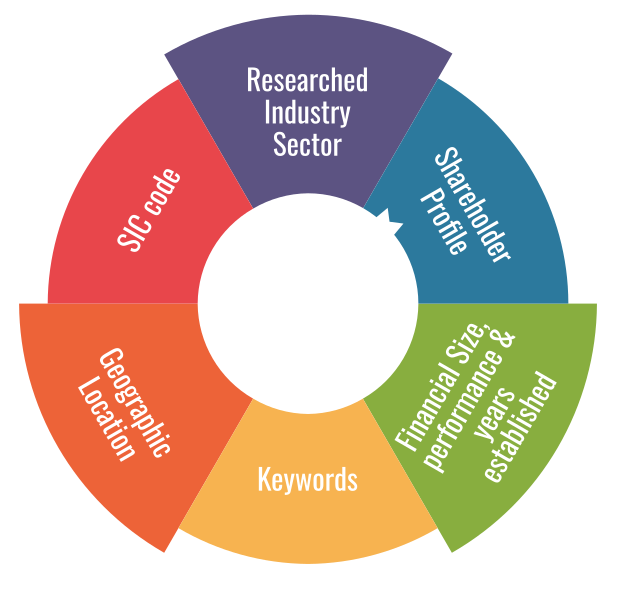
Most acquisition programmes begin by defining a target market. However, effective market definition requires more than a simple SIC code search. Businesses can be segmented using multiple criteria including industry activity, geography, size, ownership structure and financial performance. When these data layers are combined, acquisition teams can move beyond broad company lists and build focused…
Continue reading...Finding Better Acquisition Targets Than SIC Codes Allow

Finding better acquisition targets than SIC codes allow requires a more accurate approach to market definition and acquisition research. However, SIC codes were never designed for acquisition research. Whilst they can provide a useful starting point, they often group together businesses with very different activities and can overlook specialist companies that may represent attractive acquisition…
Continue reading...From Known Companies to New Opportunities

Many acquisition programmes and business development initiatives begin with information that is already available. This may be an existing customer list, a list of known competitors, previous acquisition targets or organisations identified through industry knowledge. The challenge is not obtaining company information but expanding that initial knowledge into a broader population of relevant opportunities. This…
Continue reading...Why Niche Market Identification Creates Better Acquisition Opportunities

Many acquisition strategies begin by examining a broad industry sector. Whilst this provides useful context, the most attractive opportunities are often found within specific niche markets rather than across an entire industry. The challenge is not simply identifying companies. It is identifying the right group of companies and understanding the characteristics that make that niche…
Continue reading...How Company Intelligence Supports Commercial Due Diligence

How Company Intelligence Supports Commercial Due Diligence Commercial due diligence is designed to verify whether a business is genuinely as attractive as it appears. Whilst financial statements, management presentations and business plans provide important information, they represent only part of the picture. Effective due diligence requires independent verification of ownership structures, market position, competitive standing…
Continue reading...Turning Company Lists Into Acquisition Opportunities
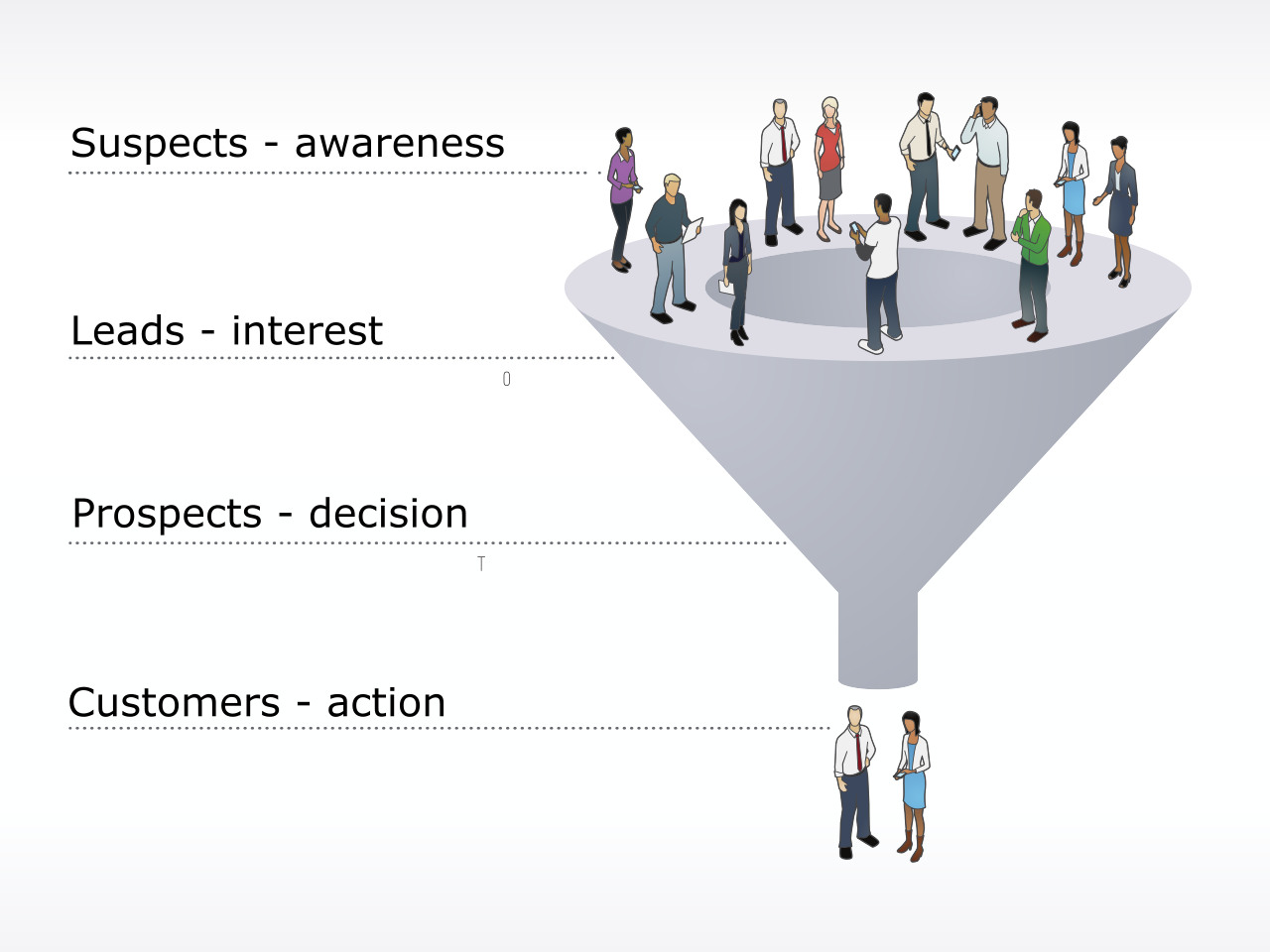
Why Identifying the Right Opportunities Matters More Than Building Larger Lists One of the most common mistakes in business development and acquisition research is assuming that more prospects automatically lead to better results. Modern databases can generate thousands of potential companies in minutes, but the challenge is rarely finding businesses. The real challenge is identifying…
Continue reading...Why Private Company Valuation Is More Than an Earnings Multiple

Business owners, investors and acquisition teams frequently ask what a company is worth. Unfortunately, there is no simple formula that can provide a definitive answer. Whilst valuation multiples are widely used in acquisitions and investment transactions, they are only a starting point. The value of a business depends on far more than its historic profits….
Continue reading... © 2026 Unique Sector Performance Data Ltd.